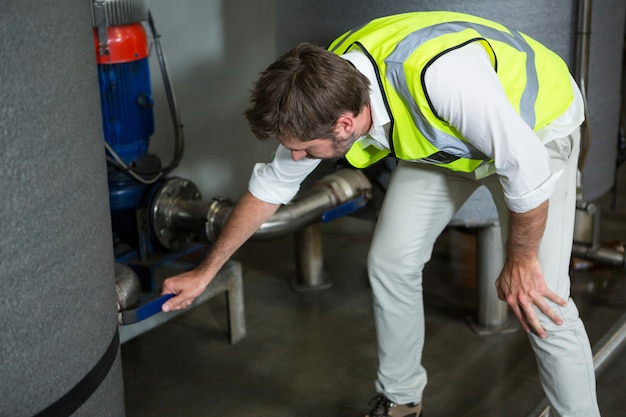
In the unfortunate event of water damage, time is of the essence. Whether due to natural disasters, plumbing failures, or unforeseen accidents, rapid response in water extraction is critical to minimizing damage and restoring normalcy. The significance of a quick and effective emergency water extraction service cannot be overstated, as it plays a pivotal role in preserving both property and health.
Understanding Water Extraction
Water extraction involves the removal of excess water from a property following flooding or leakage. This process is crucial to prevent further damage and to reduce the risk of mold growth. Effective water extraction requires specialized equipment and expertise to ensure thorough removal of water from both visible and hidden areas.
Why Quick Response Matters
Immediate action is critical when dealing with water damage. Here are a few reasons why a swift response is essential:
- Prevention of Structural Damage: Prolonged exposure to water can weaken structural components, leading to costly repairs.
- Mold Prevention: Mold can begin to grow within 24-48 hours of water exposure, posing health risks and complicating repairs.
- Minimizing Property Loss: Quick water extraction can save furniture, electronics, and other valuables from irreparable damage.
To explore advanced guides and tips on water extraction and drying techniques, find out more about this approach.
Components of an Effective Water Extraction Service
An effective emergency water extraction service typically includes the following components:
Assessment and Inspection
The first step involves a thorough assessment of the affected area. Professionals use advanced moisture detection equipment to identify the extent of water damage, including areas that may not be immediately visible.
Water Removal
Once the assessment is complete, the next step is the removal of standing water. High-powered pumps and vacuums are used to extract water quickly and efficiently. This step is crucial in preventing further damage and is often complemented by the use of industrial-grade dehumidifiers.
To learn about tailored solutions for water extraction, discover expert strategies here.
Drying and Dehumidification
After water removal, drying and dehumidification are vital to eliminate any remaining moisture. This involves using air movers and dehumidifiers to thoroughly dry walls, floors, and other affected areas, ensuring that no moisture is left behind.
Cleaning and Sanitization
The final step involves cleaning and sanitizing the affected areas to eliminate any potential contaminants and odors. This step helps restore the cleanliness and safety of the environment.
Explore more about these cleaning techniques and their importance by finding out more about this approach.
Choosing the Right Service Provider
Selecting a reliable water extraction service requires careful consideration. Here are some factors to consider:
- Experience and Expertise: Look for providers with a proven track record in handling water damage effectively.
- Availability: Opt for services that offer 24/7 emergency response to ensure immediate assistance.
- Advanced Equipment: Ensure the service provider uses state-of-the-art equipment for efficient water extraction.
- Comprehensive Services: Choose providers that offer a complete range of services from extraction to restoration.
Learn about our tailored solutions for water extraction and how to choose the right service provider by exploring advanced guides and tips.
Conclusion
A quick response in water extraction is paramount to minimizing damage and ensuring a swift recovery. Understanding the importance of each component in the water extraction process can help in making informed decisions during such emergencies. For further insights on effective water extraction and drying techniques, discover expert strategies here.