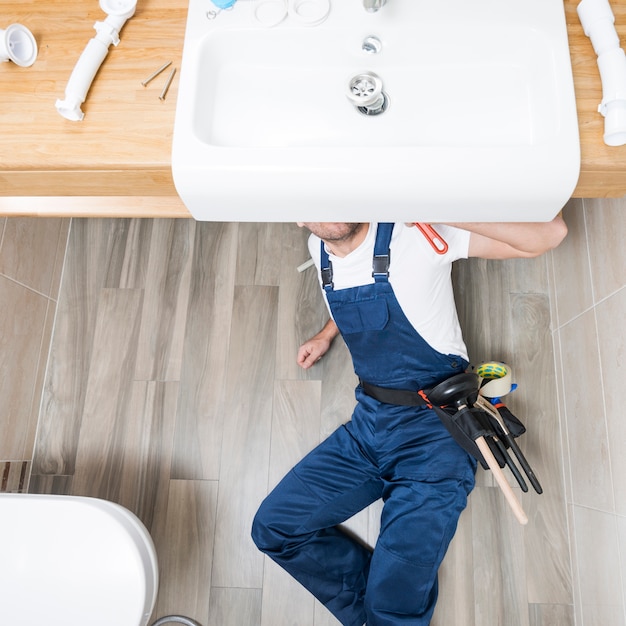
Water damage is a prevalent issue that can affect any home or business, often striking without warning and leaving a trail of chaos in its wake. From leaky pipes and roof leaks to natural disasters, water damage can lead to costly repairs and significant disruption. Understanding the cost of water damage repair can help property owners prepare for the unexpected and make informed decisions about remediation and restoration. While numerous factors influence the cost, having a general idea of what to expect can ease the stress that comes with addressing water damage.
Factors Influencing the Cost of Water Damage Repair
The cost of repairing water damage varies significantly depending on several critical factors. Here are some key elements that affect the overall expense:
- Extent of Damage: The severity and spread of the water damage directly impact the cost. Minor leaks may require simple fixes, while extensive flooding can lead to structural repairs.
- Source of Water: The type of water involved?clean, gray, or black?affects the complexity of the cleanup and the associated costs.
- Area Affected: Different areas of a property, such as basements, kitchens, or bathrooms, have varying repair costs due to accessibility and material considerations.
- Timing of Repairs: Prompt action can minimize damage and reduce costs. Delays might lead to mold growth and other complications, increasing the expense.
- Required Services: Additional services like mold remediation, structural repairs, and content restoration add to the overall costs.
Estimated Costs for Water Damage Repair
While costs can fluctuate widely, having a ballpark estimate helps in planning. Here?s a brief overview of potential expenses:
- Minor Repairs: Small leaks and minor water damage might cost between $500 and $1,000.
- Moderate Damage: More extensive issues, such as partial room flooding, typically range from $1,000 to $4,000.
- Severe Damage: Major flooding or significant structural damage can escalate costs from $4,000 to upwards of $10,000.
For a more comprehensive breakdown, discover expert strategies here.
Insurance and Water Damage Repair
Insurance can play a vital role in mitigating the financial burden of water damage repair. Understanding the nuances of insurance coverage is crucial:
- Policy Inclusions: Most homeowner’s insurance policies cover unexpected water damage, but gradual damage from poor maintenance is usually excluded.
- Flood Insurance: Separate policies are necessary for flood damage, as standard insurance often excludes it.
- Claim Process: Documenting the damage thoroughly and promptly contacting your insurance provider can streamline the claims process.
To learn about tailored solutions for navigating insurance claims, find out more about this approach.
Preventive Measures to Reduce Repair Costs
Preventive strategies are key to minimizing potential water damage and repair costs:
- Regular Maintenance: Routine inspections of plumbing, roofing, and drainage systems can prevent minor issues from turning into costly repairs.
- Install Water Detection Devices: These devices alert you to leaks and moisture, allowing for prompt action.
- Proper Landscaping: Ensure that the land around your property slopes away from the building to prevent water accumulation.
Explore advanced guides and tips for effective preventive measures by visiting this resource.
Conclusion
Water damage repair can be a daunting prospect, but understanding the costs and factors involved can help property owners manage the situation effectively. By considering the extent of damage, source of water, and necessary repairs, as well as leveraging insurance and preventive strategies, the financial impact of water damage can be significantly reduced. For those facing water damage challenges, accessing expert guidance and resources is crucial in ensuring swift and efficient resolution.